


Glasparfumeflaskekomponenter forklaret: pumpe, hals, hætte og mere
Industri -nyheder-En komplet parfumeflaske i glas er bygget af fem væsentlige dele, der arbejder sammen: glaskroppen, halsfinishen, forstøverpumpen eller dykrøret, aktuatoren eller sprøjtehovedet og hætten eller kraven. Hver af disse komponenter til parfumeflaske har sin egen funktion, tolerancekrav og materialemuligheder, og pasformen mellem dem afgør, om en færdig flaske sprøjter jævnt, forsegler ordentligt og overlever forsendelse uden at lække. Denne vejledning nedbryder hver del i detaljer, fremstillingsvalgene bag hver enkelt del og de praktiske beslutninger, som brands står over for, når de køber komponenter til en ny duftlinje.
Hvorfor komponentvalg er vigtigere end flaskeformen
De fleste købere fokuserer først på silhuetten af en parfumeflaske i glas , men komponenterne gemt inde i nakken er det, der bestemmer ydeevnen. En smukt formet flaske med en forkert pumpepakning vil stadig lække under transport. En fantastisk hætte, der ikke krymper tæt til kraven, vil løsne sig efter et par ugers håndtering. Duft er et flydende produkt under tryk, hver gang der trykkes på forstøveren, så halsfinishen, pumpens fjederspænding, aktuatorens åbningsstørrelse og tætningspakningen skal alle konstrueres som ét system i stedet for at vælges separat.
Komponentmismatch er en af de mest almindelige årsager til returnering af duftemballage. En pumpe, der er klassificeret til en 13 mm halsfinish, vil ikke tætne korrekt på en 15 mm hals, selvom den fysisk skrues på, fordi pakningens kompression ændres. Købere, der køber glas og komponenter fra forskellige fabrikker, bør altid anmode om en passende prøve, før de forpligter sig til en fuld produktionskørsel.
Det er der også en designmæssig konsekvens af. Når et mærke låser en flaskeform fast, skal enhver fremtidig genopfyldnings-, limited edition- eller rejsestørrelse-version konstrueres omkring den samme halsgeometri. At ændre halsfinishen senere betyder, at glasformen skal omværktøjes helt, hvilket er dyrt og langsomt. Dette er grunden til, at erfarne emballageudviklere bruger mere tid på at gennemgå komponenttegninger end på at gennemgå flaskegengivelser i godkendelsesfasen.
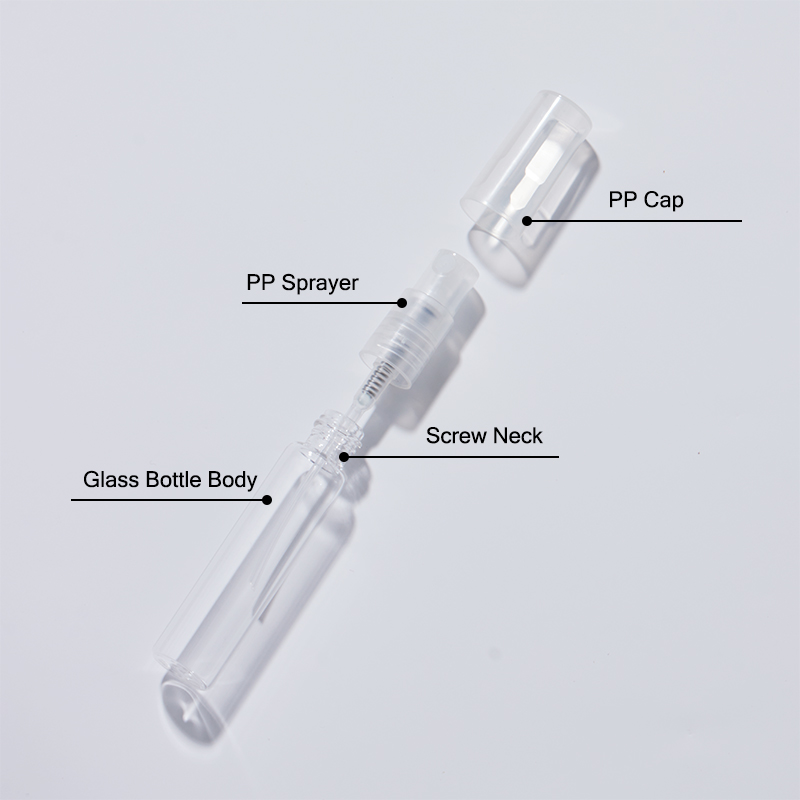
Glaslegemet: Materialee, vægtykkelse og formningsmetode
Kroppen er den største og tungeste komponent af enhver Parfumeflaske i glas , og det er normalt lavet gennem en af to formningsprocesser.
Tryk-og-blæs formning
Smeltet glas presses først til en ru form med et stempel og blæses derefter til sin endelige form. Denne metode producerer tungere, tykkere væggede flasker med meget ensartede dimensioner, hvorfor den foretrækkes til premium- og nicheduftlinjer, hvor selve flasken er en del af luksusoplevelsen.
Blow-and-Blow Forming
Glas blæses to gange, først i en ru form og derefter i den endelige form. Dette producerer lettere flasker til en lavere materialepris, hvilket gør det almindeligt for massemarkedsduft- og body mist-linjer, hvor forsendelsesvægt og enhedsomkostninger betyder mere end glastykkelse.
Almindelige glastyper, der bruges i duftflasker
- Soda-lime glas: den mest udbredte type, overkommelig, nem at dekorere med frosting eller belægning.
- Krystalklar glas med højere klarhedsindhold: bruges til premium-flasker, der har brug for ekstra gnistre og lysbrydning.
- Genbrugte eller post-consumer glasblandinger: efterspørges i stigende grad af mærker, der forfølger bæredygtighedspositionering.
- Farvet og tonet glas: rav, kobolt eller røget finish, der bruges til at beskytte lysfølsomme formler og styrke mærkeidentiteten.
Vægtykkelsen varierer typisk fra omkring 1,2 mm til 3 mm afhængigt af flaskestørrelsen og dekorationsprocessen, der er planlagt efterfølgende, da spraybelægning, galvanisering og syreætsning alle tilføjer stress til glasoverfladen. Tyndere vægge reducerer forsendelsesvægt og -omkostninger, men de er mere tilbøjelige til spændingsrevner, når de senere udsættes for pludselige temperaturændringer under metallisering.
Halsfinish: grænsefladen mellem glas og hardware
Halsfinishen er den præcist støbte kant i toppen af flasken, hvor pumpen, crimpkraven eller skruelåget fastgøres. Dette er uden tvivl den mest teknisk krævende del af hele flasken, fordi tolerancer her måles i brøkdele af en millimeter. De to dominerende systemer i duftindustrien er FEA 15 krympefinish og standard skruegevindfinish, ses oftest i 13 mm, 15 mm, 18 mm, 20 mm og 24 mm størrelser.
| Nakke Finish Type | Typisk diameter | Lukningsmetode |
|---|---|---|
| FEA 15 Crimp | 15 mm | Metalkrave krympet på pumpen |
| Skruegevind 13 mm | 13mm | Gevind pumpe eller rullekapsel |
| Skruegevind 18 mm | 18mm | Gevindpumpe eller skivehætte |
| Snap-On hals | Varierer | Push-fit hætte, ingen gevind |
Købere bør altid bekræfte kompatibilitet med halsen, før de bestiller pumper separat fra glas, da en lille afvigelse i boringsdiameter kan få pumpens plastikhus til at sidde løst og vugge inde i halsen, hvilket til sidst bryder forseglingen.
Forstøverpumpen: Sådan fungerer sprøjtemekanismen
Pumpen er det mekaniske hjerte i en parfumeflaske i sprayformat. Ved at trykke på aktuatoren komprimerer et lille fjederbelastet stempel, trækker væske op gennem dykrøret og tvinger det gennem en mikroåbning i aktuatoren for at skabe en fin tåge. En typisk duftpumpe leverer mellem 0,10 ml og 0,20 ml pr. aktivering, hvilket er grunden til, at en 50 ml flaske normalt understøtter flere hundrede sprays, før den løber tør.
Kernedele inde i en standardpumpe
- Boliger — den ydre plastskal, der holder mekanismen og forbindes med halsen.
- Pakning — en gummi- eller silikonering, der forhindrer væske i at lække rundt om stemplet.
- Forår — normalt rustfrit stål, kontrollerer aktiveringsmodstand og tilbageslagshastighed.
- Stilk og stempel — de bevægelige dele, der trækker væske opad ved hvert tryk.
- Dyprør — et plastiksugerrør, der når til bunden af flasken for at suge resterende væske op.
Avancerede duftpumper bruger en crimp-on metalhylster i stedet for et plastikskruehus, da krympning skaber en tættere, mere permanent tætning, der modstår at løsne sig fra vibrationer under luftfragt eller langdistance trucking.
Pumpeydelse, spraytest og doseringskonsistens
Konsistens mellem aktiveringer er en af de stille kvalitetsmarkører for en god pumpe. Under udviklingen vejer emballageingeniører en flaske før og efter et bestemt antal tryk for at bekræfte, at doseringen forbliver inden for et acceptabelt interval, normalt inden for et par procent fra spray til spray. En pumpe, der dispenserer inkonsekvent, kan få en duft til at føles svagere eller stærkere end beregnet, hvilket påvirker, hvordan en kunde opfatter produktet, selv når selve formlen ikke har ændret sig.
Sprøjtemønster testes separat fra dosering. En velafstemt aktuator producerer en symmetrisk, kegleformet tåge i stedet for en strøm eller et ujævnt stænk. Dårligt sprøjtemønster spores normalt tilbage til en slidt eller forkert justeret åbningsindsats inde i aktuatoren i stedet for selve pumpehuset, hvilket er grunden til, at aktuatorer nogle gange udskiftes uafhængigt under fejlfinding.
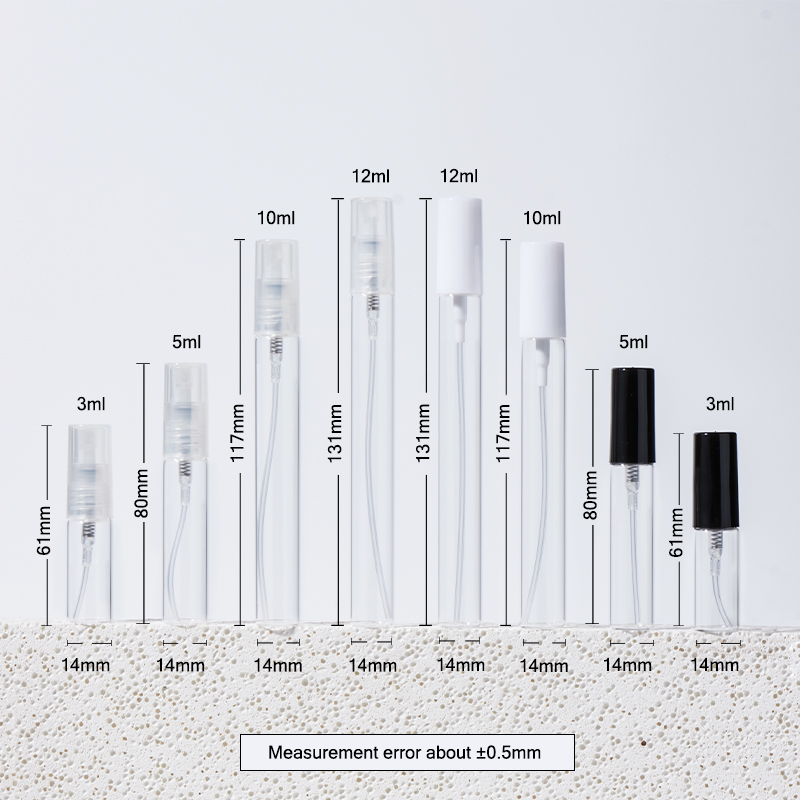
Aktuator og dyse: Styrende sprøjtemønster
Aktuatoren er den knap, der trykkes af brugeren, og dens indvendige åbningsdiameter styrer direkte dråbestørrelsen og sprøjtebredden. En mindre åbning producerer en finere, mere jævn tåge, der generelt foretrækkes til fin duft, mens en lidt større åbning er almindelig i kropståger og formater med lavere koncentration, hvor en bredere spray er acceptabel.
Aktuatorer er typisk sprøjtestøbt af ABS eller lignende stiv plast og kan overfladebehandles, så de matcher flaskens låg i farve og tekstur. Nogle premium-serier bruger metalbelagte aktuatorer, så knappen føles kold og tæt, der matcher vægten af en zinklegeringshætte.
Dyprørslængde og flaskedræning
En ofte overset detalje er dykkerørets længde. Hvis røret skæres et par millimeter for langt eller for kort, efterlades en mærkbar mængde duft strandet i bunden af flasken, når pumpen holder op med at trække væske effektivt. Kvalitetsproducenter skræddersyet dyprøret til at matche den indvendige højde af hver specifik flaskeform, idet der tages højde for bundens tykkelse og enhver dekorativ spids i bunden af glasset.
Kasketter, kraver og dekorative hætter
Når pumpen er krympet på plads, sættes den synlige hætte over aktuatoren, både for at beskytte den mod støv og utilsigtede pres og for at fuldende det visuelle design af flasken. Overhætter er lavet af en række materialer, der hver tilbyder et forskelligt udseende og prisprofil.
| Material | Se og føl | Typisk brugstilfælde |
|---|---|---|
| Zink legering | Tung, metallisk, førsteklasses håndfølelse | Luksus og niche duft linjer |
| ABS plast med galvanisering | Letvægts, spejl eller mat metallisk finish | Mellemklasse- og massemarkedslinjer |
| Træ- eller bambusfiner | Naturlig tekstur, mat finish | Ren-skønhed og bæredygtighed-fokuserede mærker |
| Overdækning af glas | Sammenhængende med flaskekroppen, tungere | Designer og samlerudgaver |
Metal- eller plastikringen, der sidder direkte under hætten, ofte kaldet kraven, skjuler krympesømmen og giver halsen et færdigt udseende. Halsbånd produceres typisk separat og kan galvaniseres i guld, sølv, rosa guld eller mat sorte toner for at matche et mærkes palet.
Tætningskomponenter: Pakninger, skiver og sabotagebånd
Ud over pumpens indvendige pakning inkluderer de fleste færdige flasker et krympebånd eller manipulationssikker forsegling viklet rundt om hals- og hætteforbindelsen. Dette er normalt et tyndt PVC- eller PETG-hylster, der krymper tæt, når der påføres varme, hvilket viser kunderne, at flasken ikke er blevet åbnet.
Nogle mærker tilføjer også en sekundær silikoneskive under crimpkraven for et ekstra lag af lækagebeskyttelse under lufttransport, hvor kabinetrykændringer kan skubbe væske forbi en marginal tætning. Denne vaskemaskine er billig, men har en overdimensioneret effekt på at reducere kundeklager knyttet til lækage under langdistanceforsendelse.
Dekorationsteknikker anvendt på glaskroppen
Dekoration er teknisk set en efterbehandlingsproces snarere end en fysisk komponent, men det har stor indflydelse på, hvilke komponenter der kan parres med flasken.
- Silketryk — bruges til logoer og tekst påført direkte på glasoverfladen.
- Spraybelægning — anvender ensfarvede eller gradientfarvede finish over hele flasken.
- Syreætsning — skaber en matteret, mat tekstur på glasset.
- Vakuum metallisering — frembringer et spejl- eller børstet metal udseende.
- Varmstempling — tilføjer folie-accenter til logoer eller trimlinjer.
Flasker, der vil gennemgå vakuummetallisering, har typisk brug for lidt tykkere glasvægge for at modstå varmen fra belægningskammeret uden vridning, hvilket er en detalje, der er værd at bekræfte med glasfabrikken, før kunstværket færdiggøres.
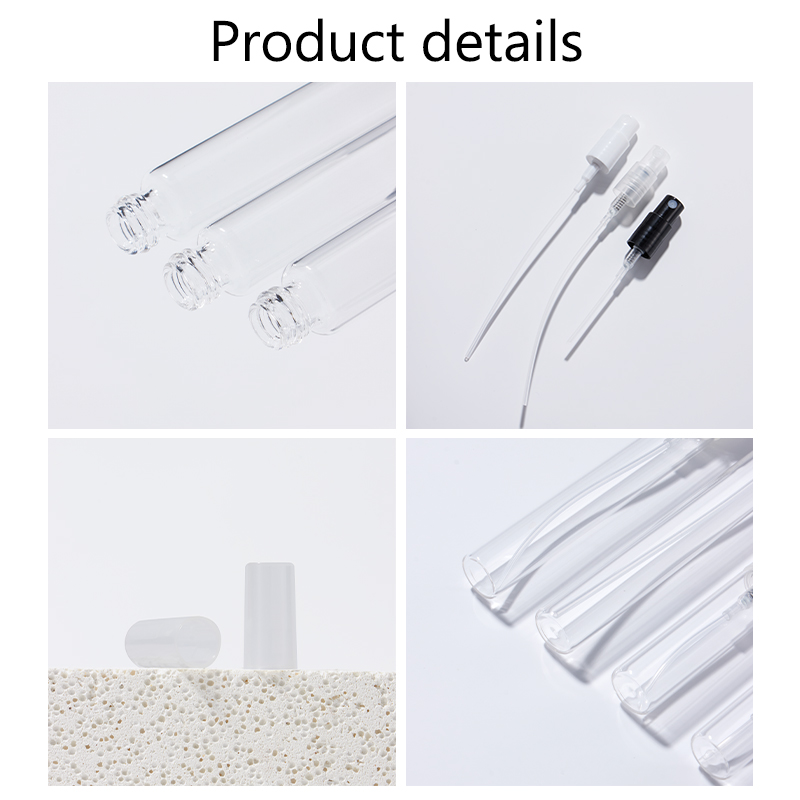
Bæredygtighedsovervejelser i komponentvalg
Glas er i sagens natur genanvendeligt og mister ikke kvalitet ved gentagen smeltning, hvilket gør det til et stærkt materialevalg ud fra et bæredygtighedssynspunkt sammenlignet med mange plastalternativer. Men de mindre komponenter, der er fastgjort til en flaske, såsom pumpehuset, aktuatoren og krympebåndet, er normalt lavet af blandet plast, der er sværere at adskille og genbruge, når levetiden er slut.
Mærker, der sigter mod at reducere miljøpåvirkningen, starter ofte med genopfyldelige flaskesystemer, hvor glaskroppen opbevares, og kun en mindre indvendig pose eller patron udskiftes, eller de skifter til mono-materiale pumpedesign, der undgår at blande metalfjedre med plastikhuse, så hele komponenten lettere kan genbruges sammen.
Omkostningsfaktorer på tværs af forskellige komponenter
Komponentomkostninger er sjældent fordelt jævnt over en færdig flaske. Tabellen nedenfor skitserer den relative omkostningsvægt for hver komponentkategori sammenlignet med de andre, baseret på typiske duftemballeringsprojekter i mellemklassen.
| Komponent | Relativ omkostningsvægt | Hovedomkostningsdriver |
|---|---|---|
| Glas krop | Høj | Glasvægt og formkompleksitet |
| Pumpe mekanisme | Middel til Høj | Præcisionsdele og pakningsmateriale |
| Kasket og krave | Medium | Pletteringstype og metal kontra plast |
| Dekoration finish | Lav til Middel | Antal farver og belægningsgennemgange |
| Dyprør and shrink band | Lav | Simple plastikdele, minimalt arbejde |
Almindelige komponentproblemer og hvordan man fejlfinder dem
| Symptom | Sandsynlig komponent | Fælles rettelse |
|---|---|---|
| Væske siver rundt om halsen | Pakning or crimp collar | Udskift pakningen, kontroller krympetætheden |
| Svag eller ujævn spray | Aktuator åbning | Skift aktuator, kontroller for blokering |
| Flasken holder op med at sprøjte, mens der er væske tilbage | Dyprør length | Genskær røret for at korrigere indvendig højde |
| Huen føles løs efter et par uger | Krave crimp spænding | Juster pressemaskinens tryk |
| Uklar glas udseende over tid | Glas kemisk holdbarhed | Kildeglas med stabil sammensætning |
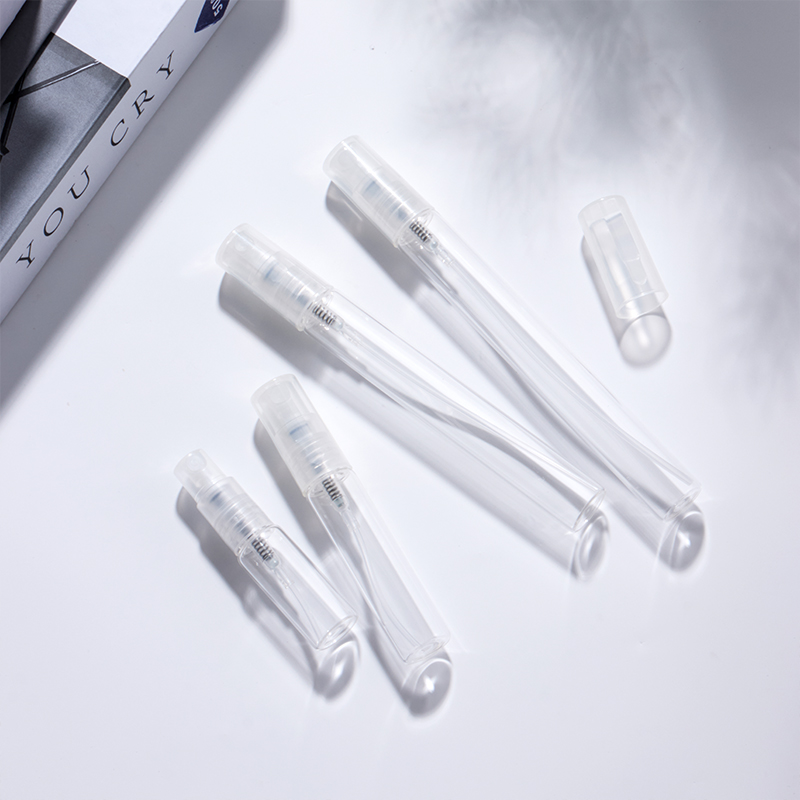
Valg af den rigtige kombination af komponenter til en produktlinje
Mærker, der udvikler en ny duftlinje, afvejer typisk fire faktorer, når de specificerer komponenter: fyldvolumen, formelviskositet, målprispunkt og forsendelsesmetode. En tungere eau de parfum med olieindhold kan have brug for en lidt bredere dykrørsboring for at undgå tilstopning, mens en lettere eau de toilette sprayer konsekvent gennem en standardboring. Luftfragtforsendelser drager fordel af crimp-forseglede pumper frem for skrue-gevind pumper, fordi crimping modstår løsne fra vibrationer og trykændringer langt bedre end gevind alene.
Praktisk tjekliste før afgivelse af en masseordre
- Bekræft, at halsens diameter svarer nøjagtigt til pumpe- eller hætteleverandørens specifikation.
- Anmod om en lækageprøve fyldt med vand eller alkohol og omrystet i 24 timer, før masseproduktion godkendes.
- Spørg efter dykkerørslængde beregnet til din specifikke flaskeform, ikke en generisk længde.
- Tjek pakningsmaterialets kompatibilitet med din formels alkoholprocent, da nogle gummier nedbrydes med højt alkoholindhold over tid.
- Match krave og hættebelægningsfarve under naturligt lys, ikke kun under fabrikkens udstillingsbelysning.
- Kør en dråbetest på den fuldt monterede flaske for at bekræfte, at låget og kraven ikke adskilles ved stød.
Samarbejde med leverandører: Glasfabrikker versus komponentspecialister
Glasfabrikker og komponentproducenter er ofte separate virksomheder, selv når en enkelt handelsvirksomhed præsenterer en flaske som én færdig pakke. At forstå denne opdeling hjælper købere med at stille bedre spørgsmål under indkøb.
Glasfabrikker specialiserer sig i formdesign, formning, udglødning og overfladedekoration. Komponentspecialister fokuserer på pumpeteknik, sprøjtestøbning af plastdele, metalstempling til hætter og kraver og montering. Når begge sider er godt koordineret, modtager købere en færdigmonteret flaske klar til påfyldning. Når de ikke er koordineret, bliver uoverensstemmende tolerancer og inkonsekvent kvalitetskontrol mellem de to sider køberens problem at løse.
At spørge en leverandør direkte, om pumpen, hætten og glasset kommer fra samme produktionsgruppe eller fra separate underleverandører, er et af de mest nyttige kvalificerende spørgsmål under indledende sourcing-samtaler.
Ofte stillede spørgsmål
Hvad er hovedkomponenterne i en glasparfumeflaske?
Hovedkomponenterne er glaslegemet, halsfinishen, forstøverpumpen med dens indvendige pakning og fjeder, dykrøret, aktuatoren eller sprøjtedysen og den ydre hætte eller krave. Nogle flasker inkluderer også et manipulationssikkert krympebånd som en sidste komponent.
Hvad bruges en crimp-krave til på en parfumeflaske?
En krympekrave er en tynd metalring, der presses mekanisk rundt om pumpens hus og flaskens halsfinish, og låser pumpen permanent på plads og danner en tæt forsegling, der modstår at løsne sig under håndtering og transport.
Hvorfor lækker nogle parfumeflasker under forsendelse?
Lækager spores normalt tilbage til en uoverensstemmende halsfinish og pumpestørrelse, en slidt eller lav kvalitet pakning eller en løs krympning, der ikke var komprimeret til den korrekte tæthed. Lufttryksændringer under transport kan afsløre en marginal tætning, der virkede fin under normale rumforhold.
Hvor mange sprays giver en typisk flaske?
Med en standard aktiveringsstørrelse på ca. 0,10 ml til 0,20 ml pr. tryk, giver en 50 ml flaske generelt flere hundrede brugbare sprays, selvom det nøjagtige antal afhænger af pumpekalibrering og hvor meget væske dypperøret helt kan trække fra bunden af flasken.
Kan parfumeflaskekomponenter tilpasses separat fra glasset?
Ja, pumper, hætter og kraver kommer ofte fra specialiserede komponentproducenter adskilt fra glasfabrikken. Dette giver mærker mulighed for at blande en unik flaskeform med en specifik hættefinish, men det gør pasformverifikation mellem leverandører til et væsentligt skridt før bulkproduktion.
Hvad forårsager uklart eller tåget glas over tid?
Uklarhed, nogle gange kaldet glassyge, kan udvikle sig, når glas med dårlig kemisk holdbarhed udsættes for fugt eller visse formelingredienser over lange perioder. Ved at vælge glas med stabil sammensætning og ordentlige opbevaringsforhold minimeres denne risiko.
Hvorfor føles nogle pumper sværere at trykke på end andre?
Aktiveringsmodstanden styres stort set af fjederhastigheden inde i pumpehuset. En stivere fjeder giver en mere premium, bevidst pressefølelse, mens en blødere fjeder er nemmere at aktivere, men kan slide sin konsekvente dosering hurtigere ved hård brug.
Er det bedre at vælge en skruepumpe eller en crimppumpe?
Crimppumper skaber generelt en mere permanent, vibrationsbestandig tætning og er standardvalget til fin duft. Gevindpumper er nemmere at fjerne og udskifte, hvilket gør dem mere almindelige på genopfyldelige flasker eller flasker i rejseformat.
Påvirker tungere kasketter, hvordan en duft opfattes af kunderne?
Ja, vægt er tæt knyttet til opfattet kvalitet i emballagedesign. En tungere hætte af zinklegering oven på et stort glashus signalerer et førsteklasses produkt, før kunden overhovedet kan lugte duften, hvilket er grunden til, at luksuslinjer sjældent bruger letvægtsplastikoverdækninger.

- E-mail:
- Telefon: +86-15962399191
- Adresse: Nr. 60-7, østsiden af Jinzhong Road, Jinfeng Town, Zhangjiagang City, Suzhou City, Jiangsu-provinsen
